Columns
Here is a list of columns related to these images.
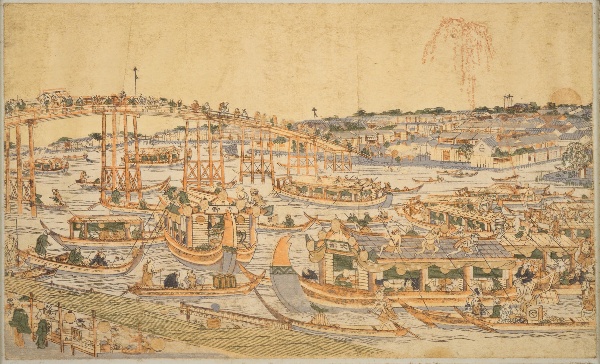
Fireworks and Sumida River Opening
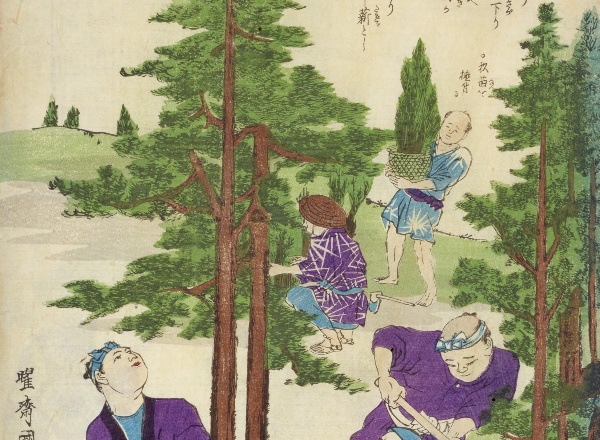
Cedar and the Japanese
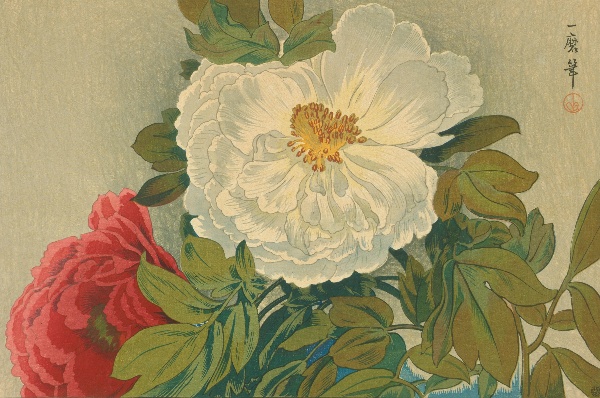
The Botan flower, the flower of wealth
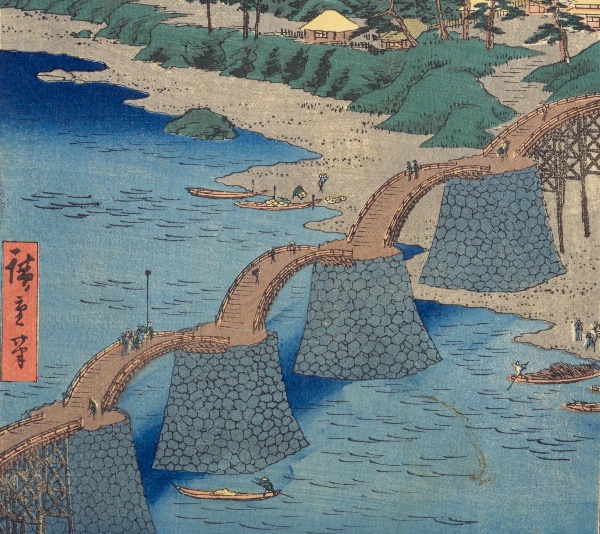
Bridges in Art: Meikyo (Famous Bridges), Kikyo (Unusual Bridges) and Kokyo (Historic Bridges)
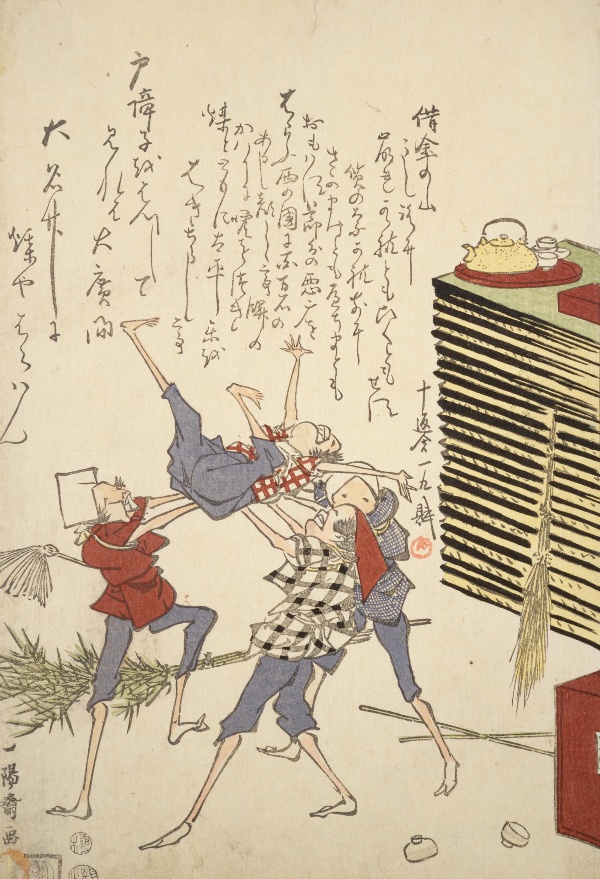
Shiwasu (December)
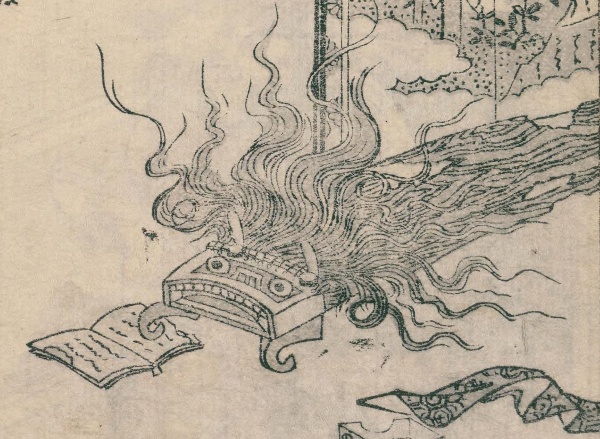
TORIYAMA Sekien’s Illustrated Night Parade of the Demon Horde
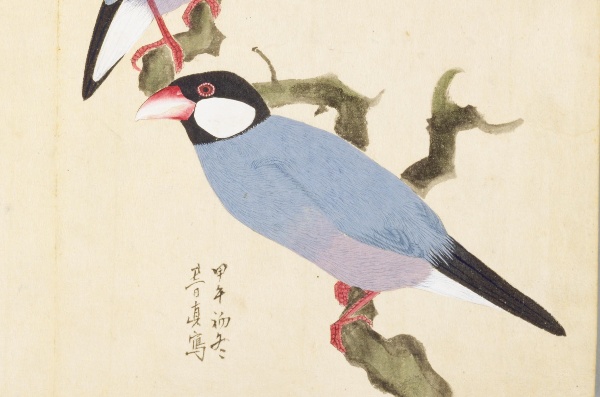
The Relationship Between People and Birds in the Edo Period
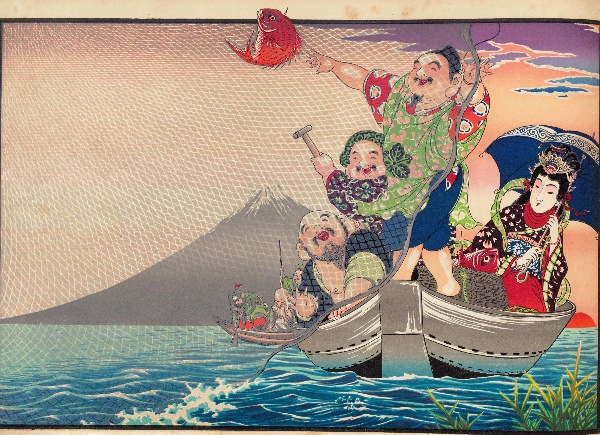
New Year's Greeting -New Year's Hikifuda-
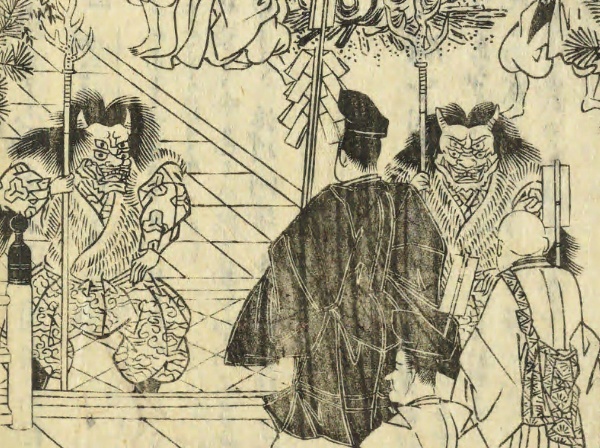
Setsubun and Jakibarai (Warding off evil spirits)
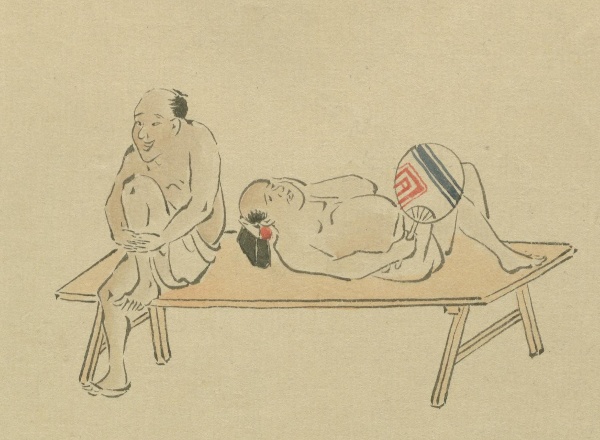
Stylish Edokko (Edo citizens) surviving the summer
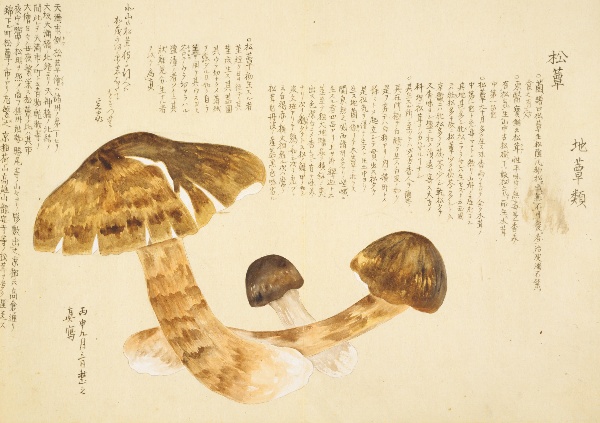
Mushroom Hunting and Matsutake
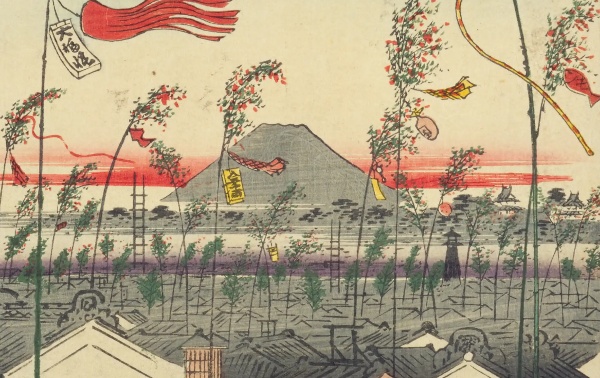
Fumizuki (July)
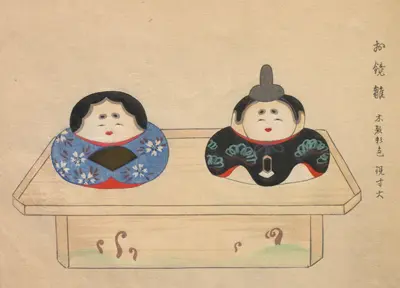
Everything is a hina doll
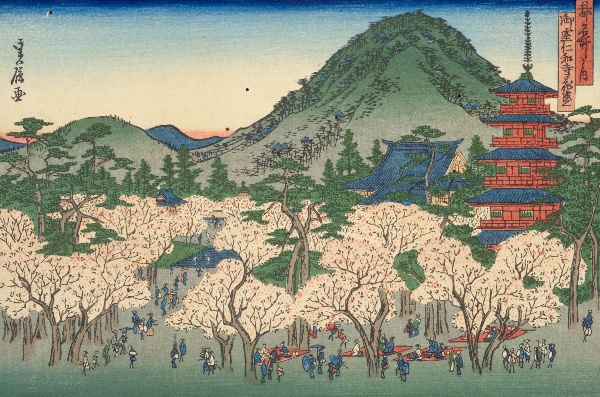
Cherry blossoms in Kyoto depicted in nishiki-e
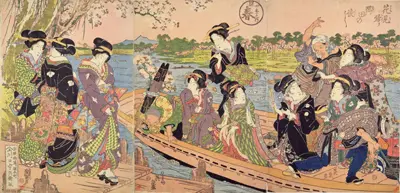
Hanami (cherry blossom viewing) and Enkai (parties)
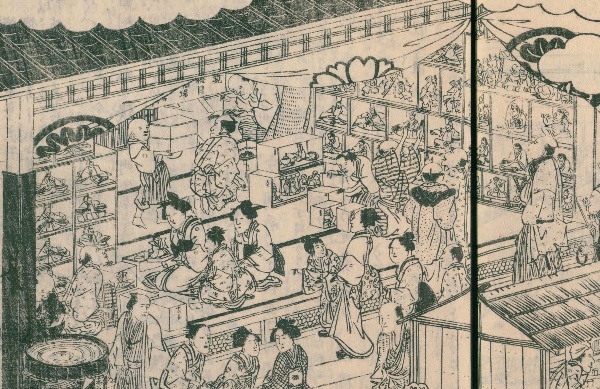
Hina-ichi (Hina doll Market) and Hina Matsuri (Doll Festival)
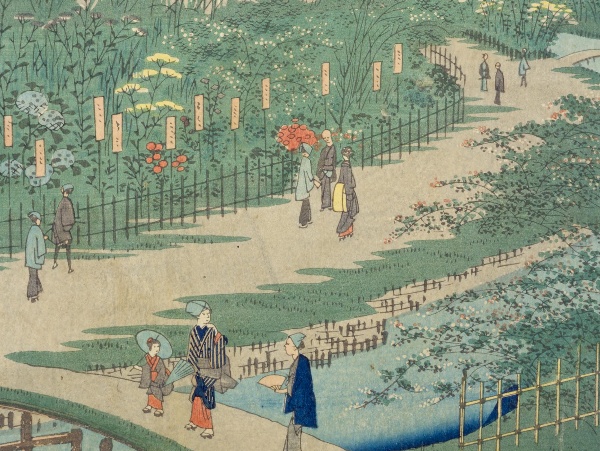
Hazuki (August)
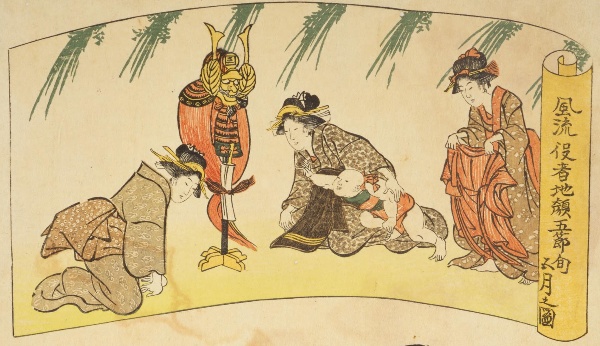
Gogatsu ningyo (May dolls) and Tango no Sekku (Boys’ Festival)
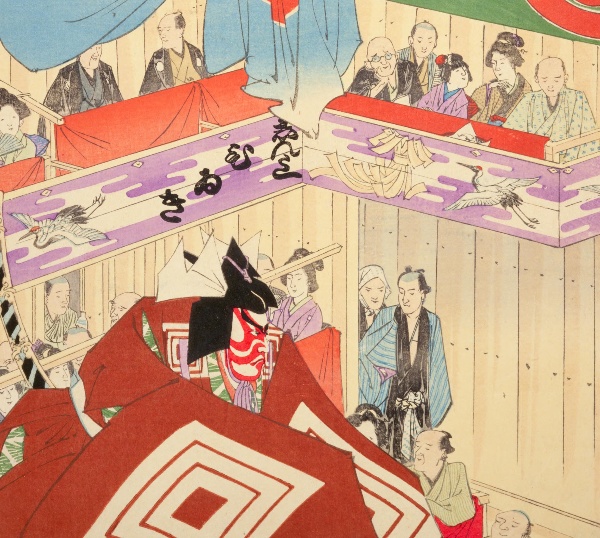
Shimotsuki (November)
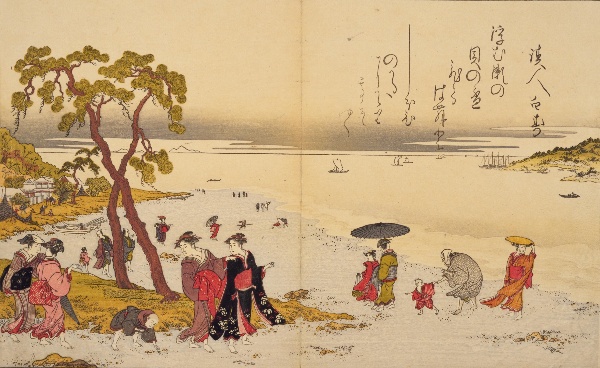
A day of spring tide is ideal for gathering shellfish

Climbing Mount Fuji and Fujizuka
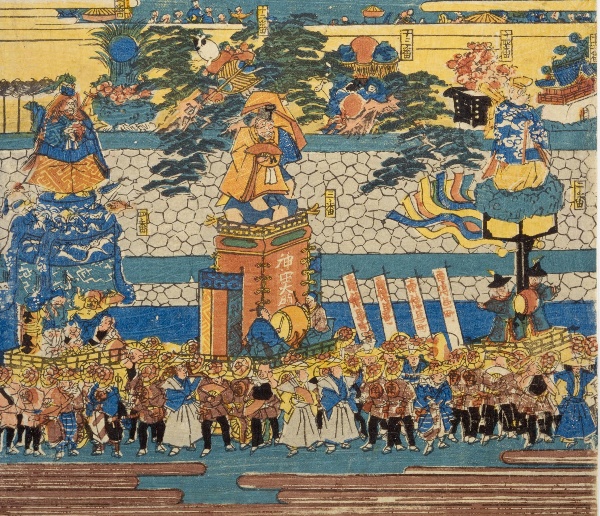
Nagatsuki (September)
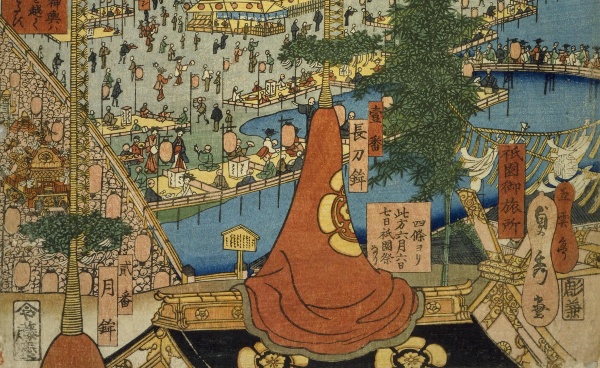
The Gion Matsuri - 1,000 years and more of warding off evil spirits
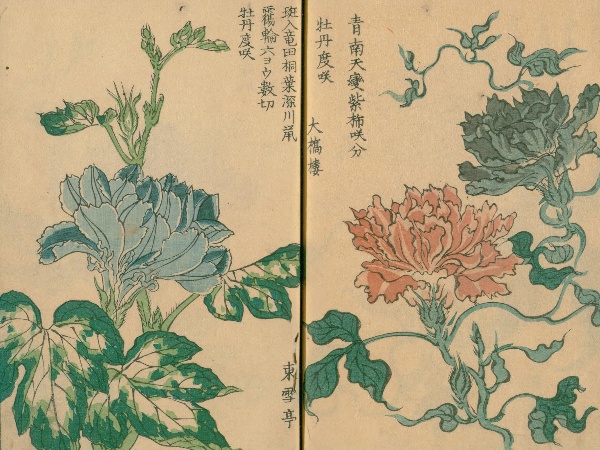
Asagao (Morning Glory) Boom in Edo and Meiji Periods and Books
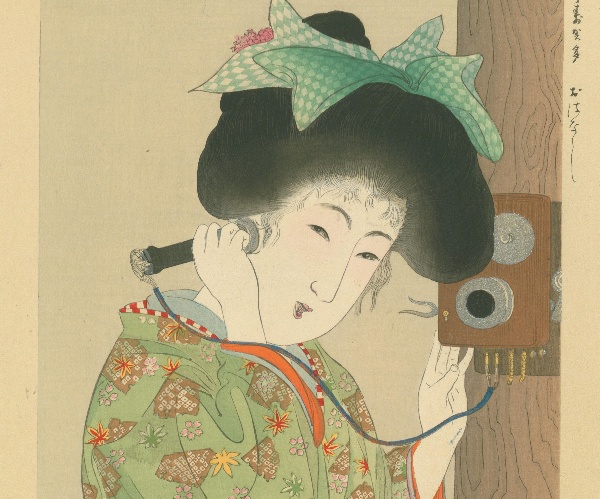
Imasugata: The old and the new during the late Meiji era
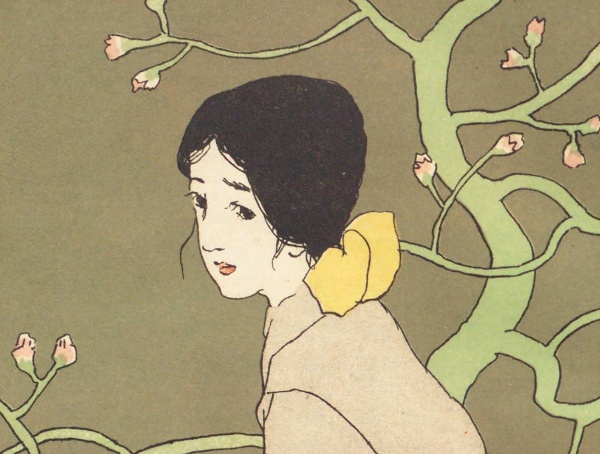
The captivating charm of yumejishiki
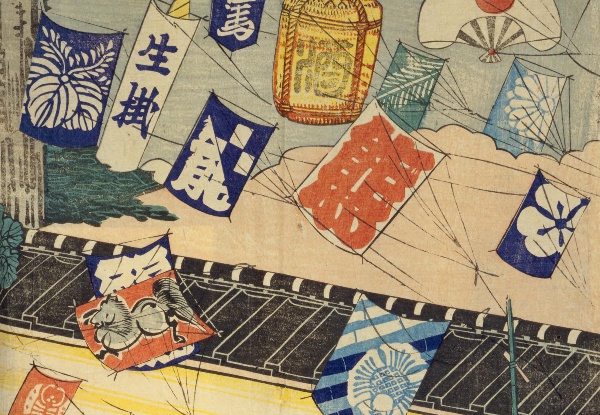
Mutsuki (January)
Uzuki (April)
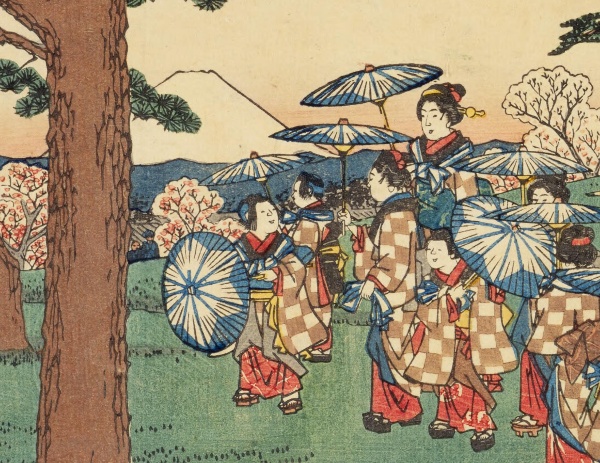
Yayoi (March)
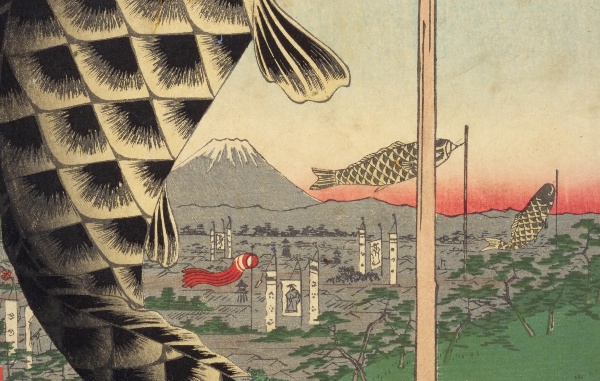
Satsuki (May)
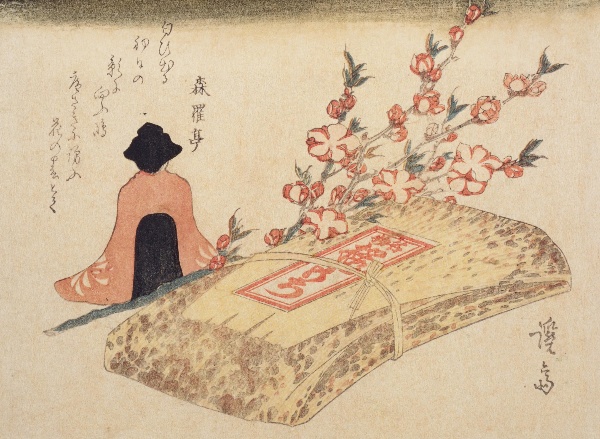
Sakura Mochi in Kanto and Kansai
Kannazuki (October)
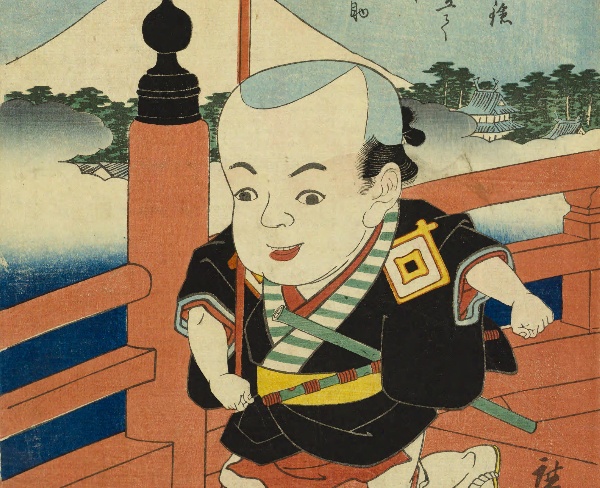
Uke-e good luck charms
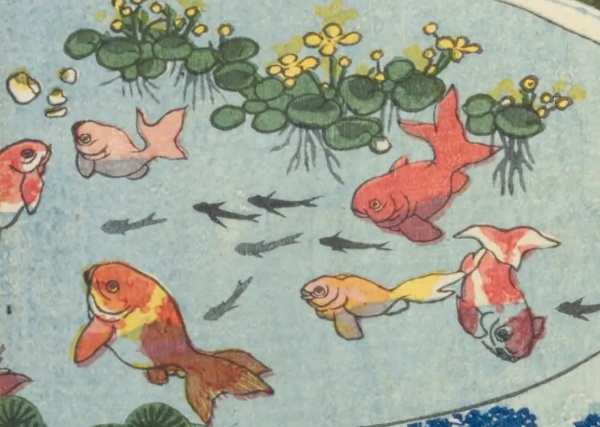
The Introduction and Boom of Kingyo (Goldfish)
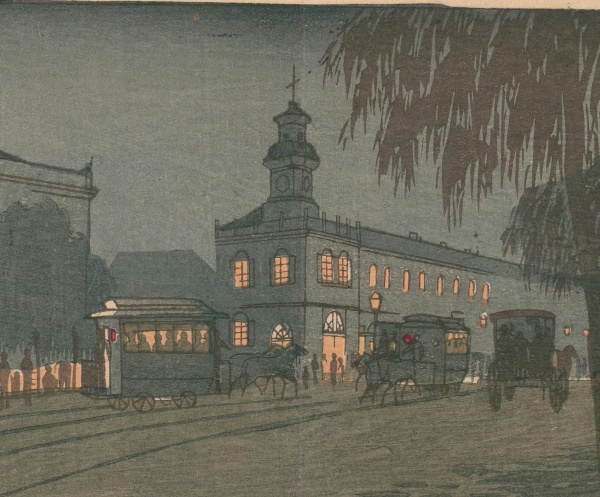
The Tokyo nightscape as seen in the Kosenga of Inoue Yasuji’s Tokyo meisho
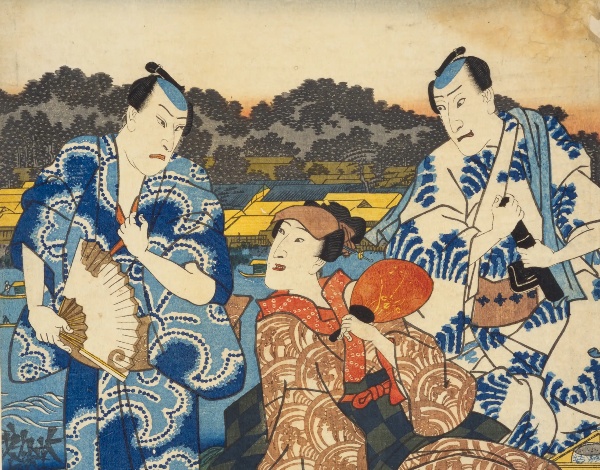
Yukata: Edo Chic
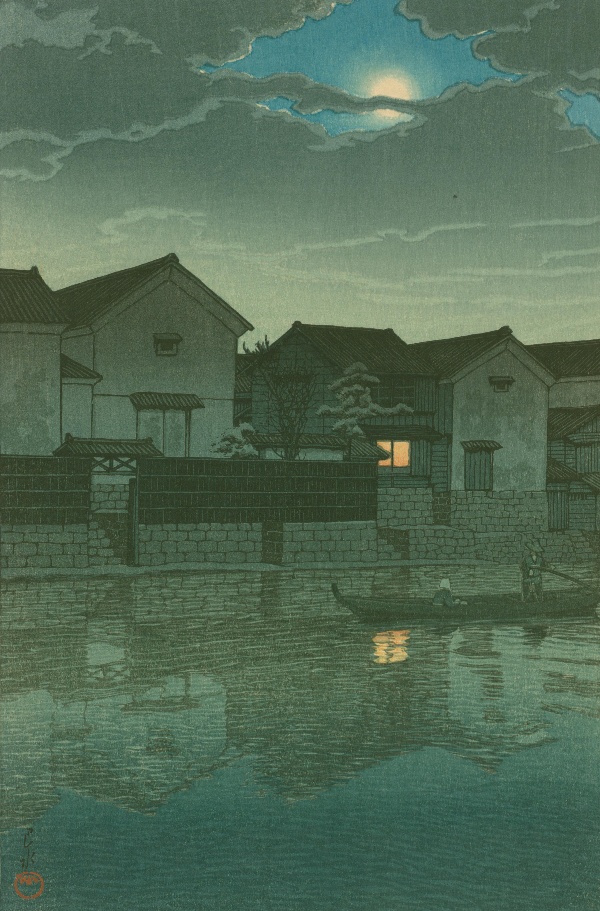
Sosaku-hanga (creative prints) and Shin-hanga (new prints)
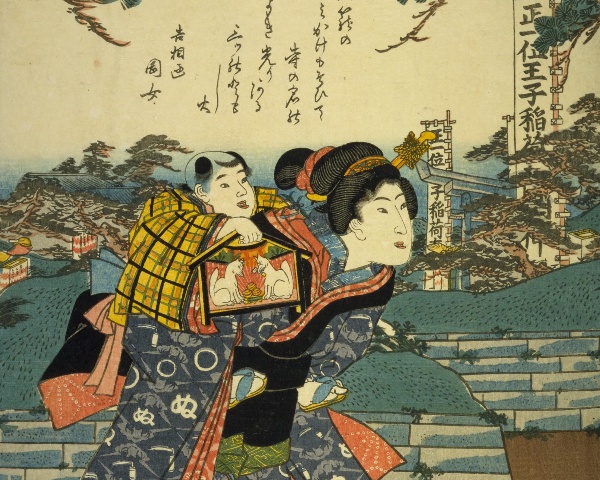
Kisaragi (February)
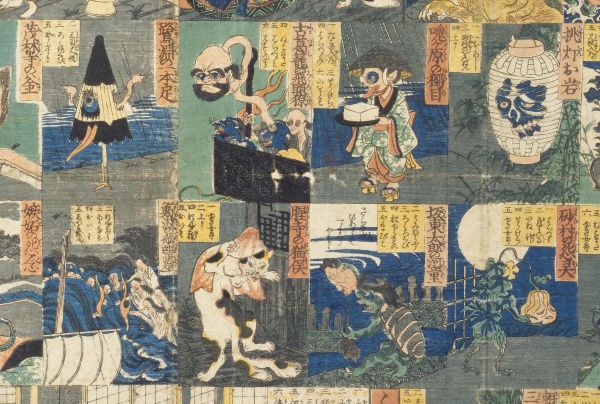
Kimodameshi (Test of Courage): Hyaku-monogatari (world of a hundred tales)
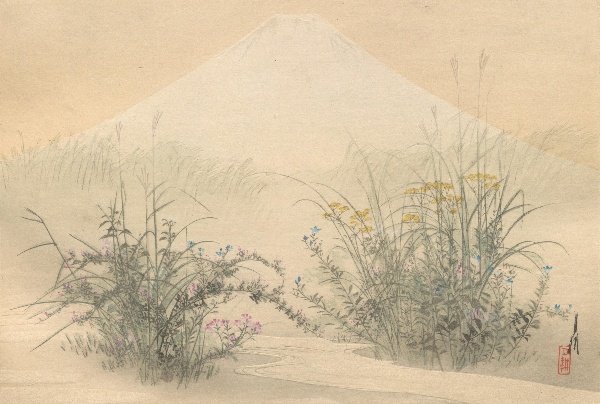
Little Signs of Autumn