Little Signs of Autumn
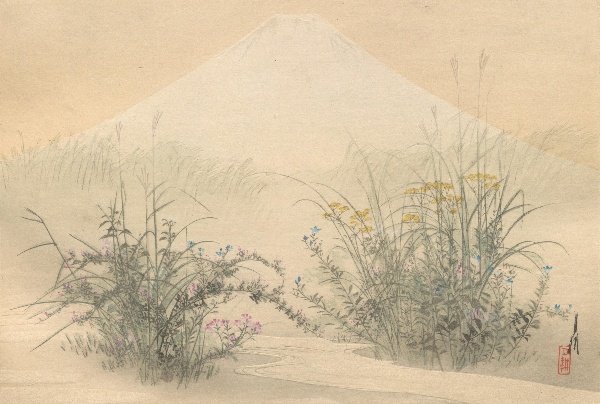
There is a saying that goes, "Atsusa samusa mo higan made" (The heat and cold last only until the equinox). When the equinox arrives, the intense heat begins to fade, and the season becomes more comfortable. The autumn breeze feels pleasant, and the gentle chirping of insects can be heard here and there. In fields and meadows, autumn flowers bloom, and crops reach their season of harvest. When you look up at the night sky, the clear autumn air makes the moonlight shine even more brightly.
In this column, we will introduce various depictions of "little signs of autumn" found in different sources and materials.
The Beauty and Mood of Autumn
As people are freed from the heat of summer, they enjoy the beauty of the seven flowers of autumn and manjushage (red spider lilies) while listening to the gentle chirping of insects during leisurely strolls, feeling the arrival of autumn. Looking up at the sky, one can see flocks of migratory birds setting off for new lands. Under the pleasant autumn breeze, it is also wonderful to indulge in the joys of autumn reading. Here we will introduce scenic landscapes filled with the essence of autumn.
Autumn Flowers
The Harvests of Autumn
Autumn is the season of harvest. In the rice fields and farms, crops reach their peak ripeness, while in the mountains, mushrooms peek out from beneath the fallen leaves. As can be seen in the phrase "shokuyoku no aki" (the appetite of autumn), an abundance of nuts, fruits, and grains are harvested, allowing people to savor the flavors of the season.
Here we will introduce the bountiful autumn harvests.
The Autumn Moon
On autumn nights, the clear, crisp air makes the moon in the night sky beautiful. The phases of the moon have been given different names throughout history, each celebrated for their unique charm: Jogen no tsuki (first quarter moon), jusan'ya (13th night moon), komochizuki (14th night moon, before the full moon), jugoya (15th night moon, full moon), izayoi (16th night moon), tachimachizuki (moon waited for while standing), imachizuki (moon waited for while sitting), nemachizuki (moon waited for while lying down), fukemachizuki (moon waited for late), and kagen no tsuki (last quarter moon). Of these phases, the jugoya (full moon) of the 8th month in the old lunar calendar and jusan'ya (13th night moon) of the 9th month in the old lunar calendar were considered especially beautiful and were celebrated with tsukimi (moon viewing). Tsukimi is not only an occasion to admire the beautiful moon but also a ritual to give thanks for the autumn harvest. Here we will introduce beautiful depictions of the autumn moon from various regions.
:::