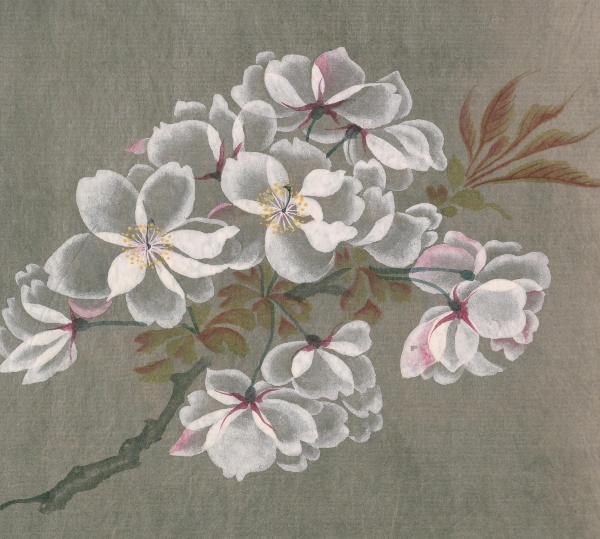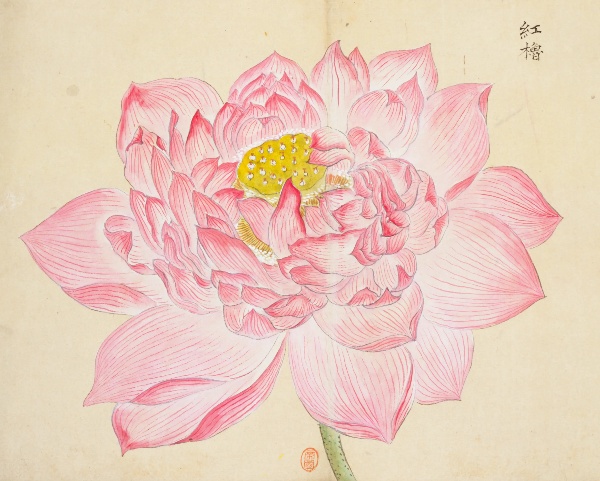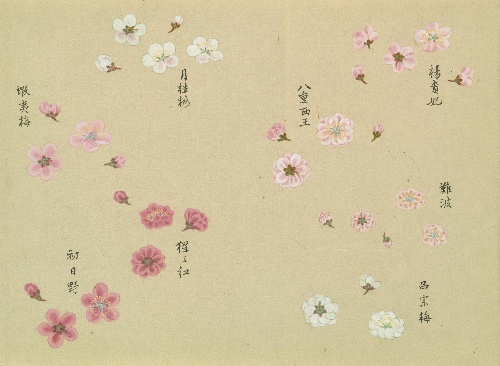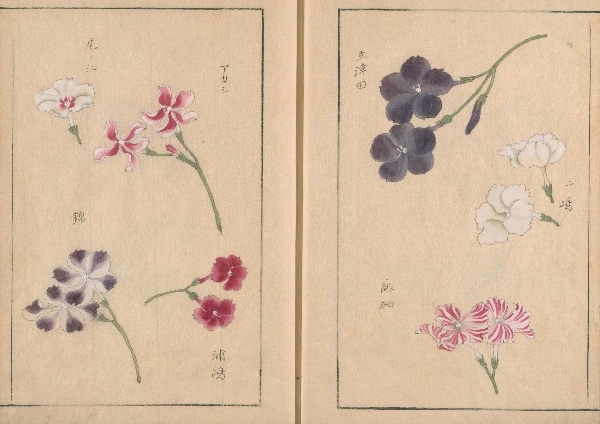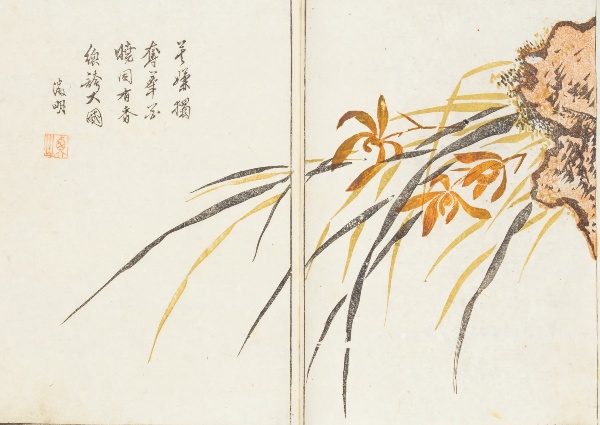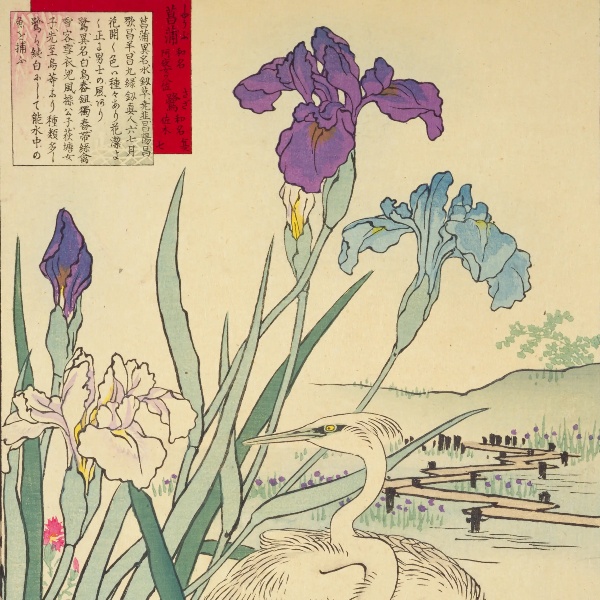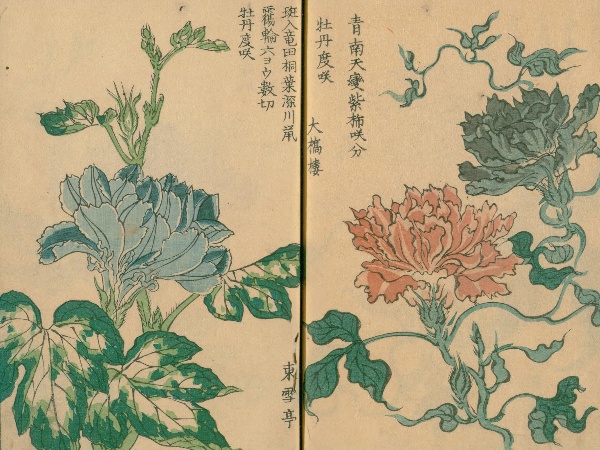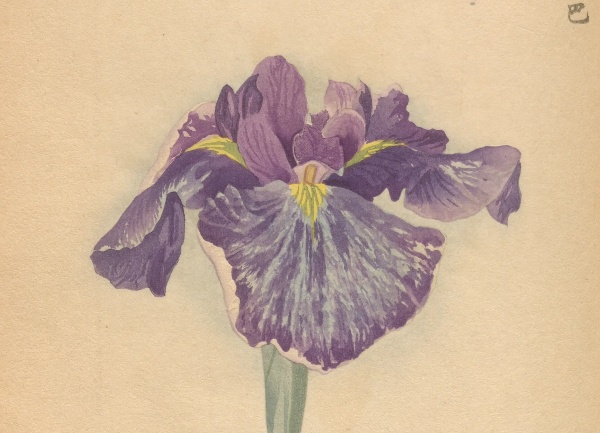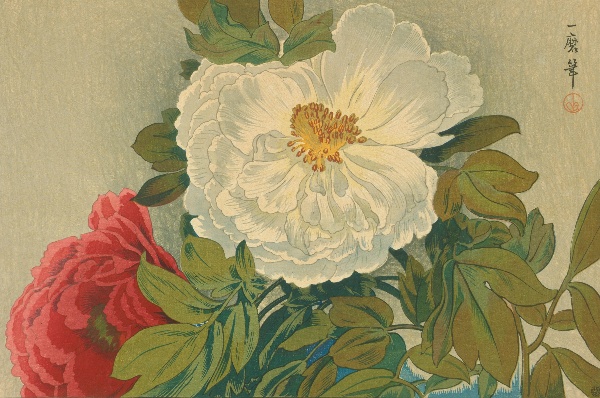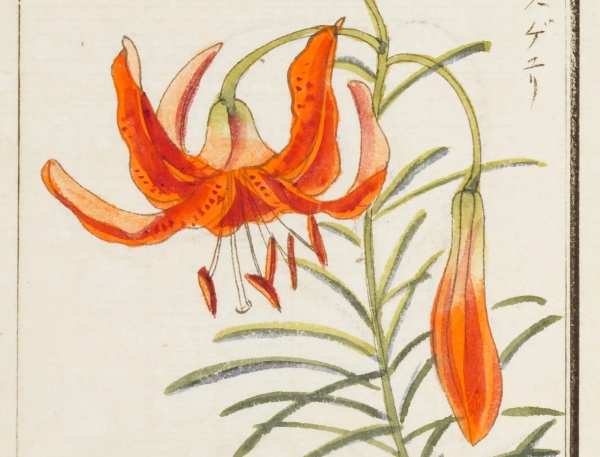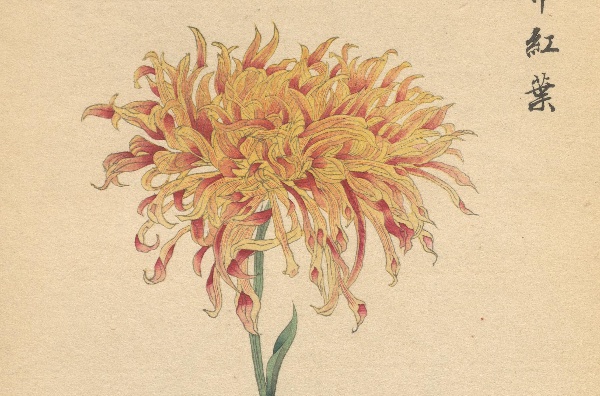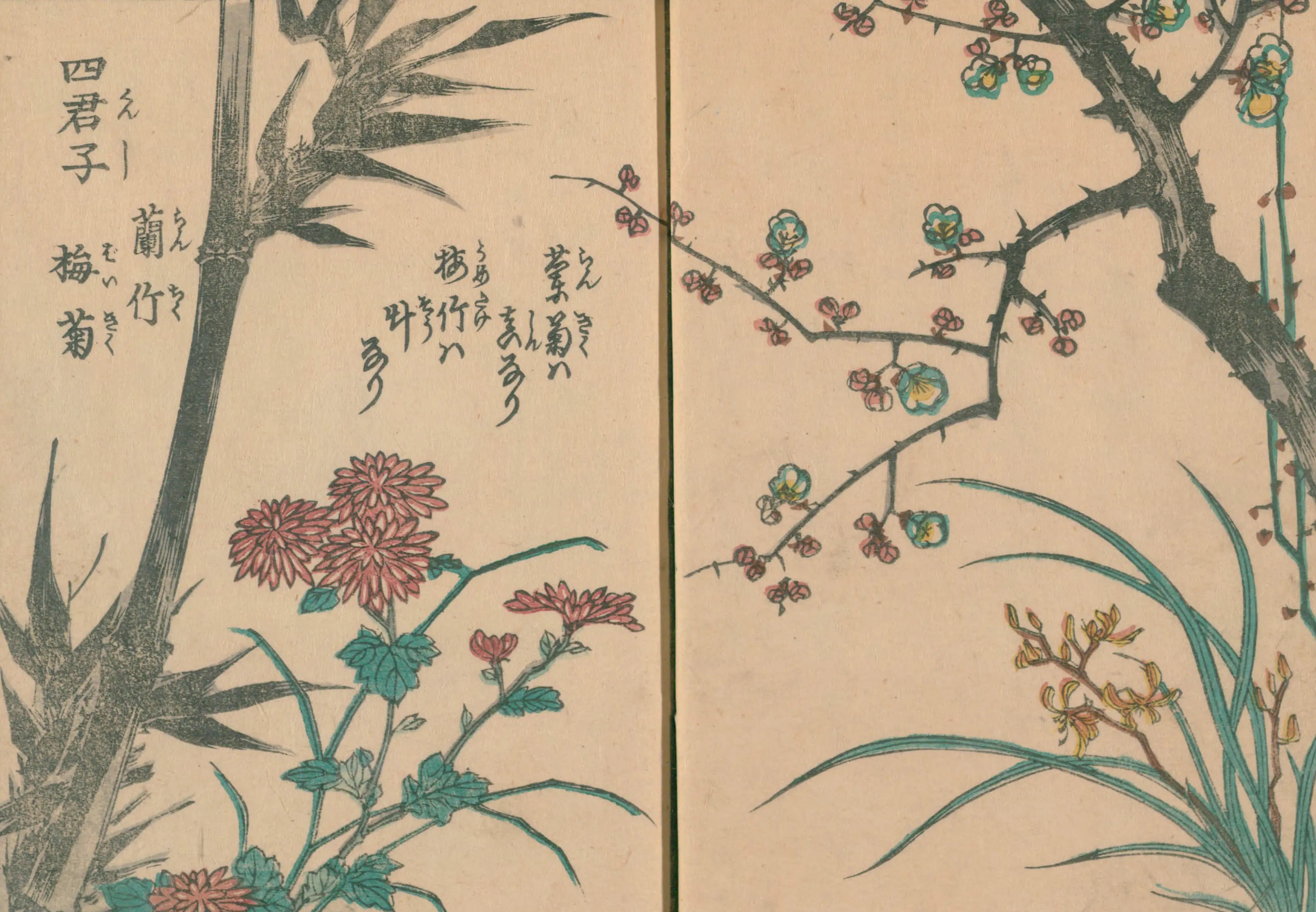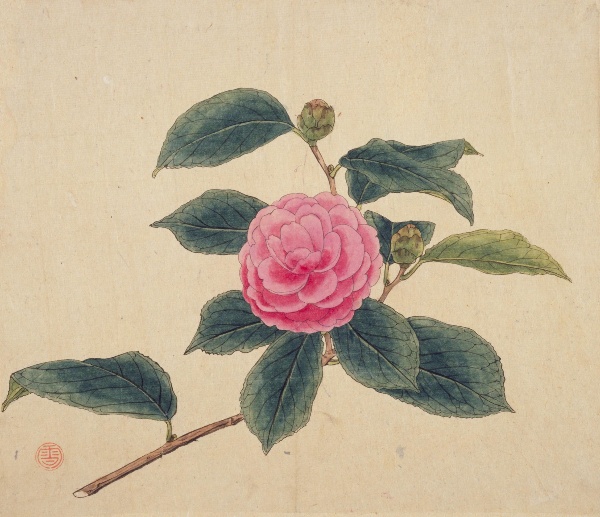
Chinka (Camellia blossoms)
Tsubaki (the camellia) is an evergreen broadleaf tree native to Japan. It has been recognized for its high utility since the Jomon period, when its wood was used to craft agricultural tools. By the time of the Manyoshu (the oldest existing collection of Japanese poetry), the beauty of its blossoms began to draw significant attention, and it was in this anthology that the kanji character for "tsubaki" (椿) was first used. During the Nara period, camellias were planted in the gardens of the aristocracy and imperial palaces in the capital, Heijo-kyo.
In the Edo period, the first three Tokugawa shoguns were all flower enthusiasts, and the second shogun, TOKUGAWA Hidetada, was particularly fond of camellias. This gave rise in Edo to a boom known as the Kan'ei camellia craze, in which rare varieties and unusual blossoms were highly prized, and camellia horticulture flourished. Illustrated camellia albums, including Hyakuchinshuu and Hyakuchinzu, were also produced.
Image List
椿花一束
椿花一束
椿花一束
椿花一束
椿花一束
椿花一束
椿花一束
椿花一束
椿花一束
椿花一束
椿花一束
椿花一束
椿花一束
椿花一束
椿花一束
See Also